
Meet rug artisans Parveen and Anwar
We LOVE telling artisan stories. It’s what connects us deeply with the individual people behind each rug that comes and goes through the doors of Bunyaad. Each one of them has their special skill and their unique story. Take a moment to get to know Parveen, a rug knotter, and Anwar, a rug designer.
Meet rug knotter Parveen

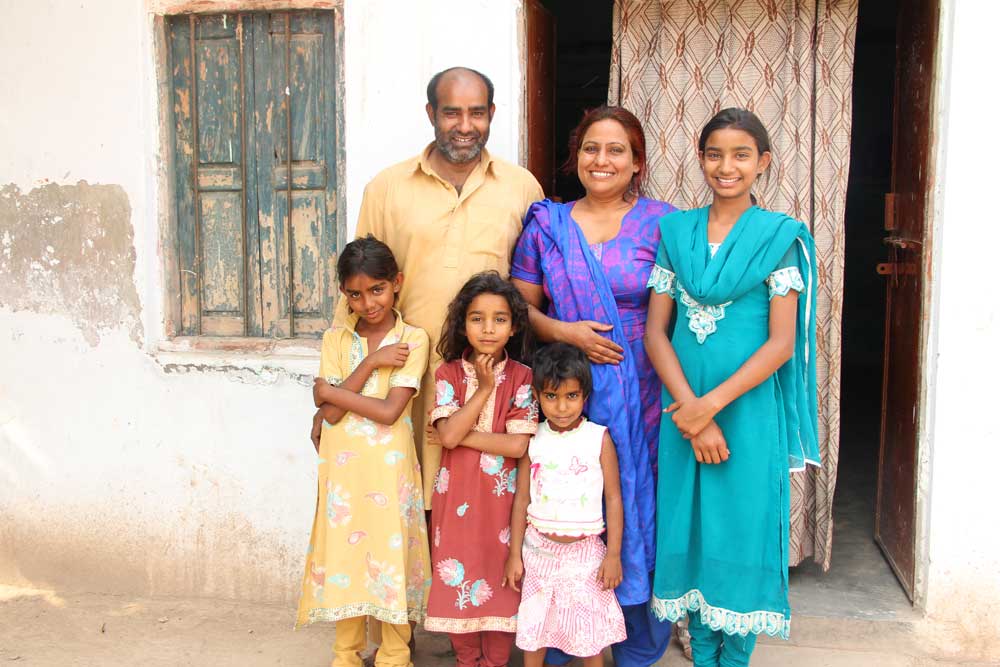
Parveen is from the village of Dhabliwala, in the northeast of Pakistan. Sabah, an artisan we featured earlier this year, is her sister-in-law. Parveen and Sabah both married into the same family of seven brothers. Both of their husbands work locally but there is not much work in the village for Parveen to work outside of the home.
Women connecting women
to find work that
supports their families.
Parveen had known rug making from her parents so when she moved into her husband’s family home, she learned about Bunyaad from her sister-in-law Sabah. Parveen is an extremely skilled bokhara rug artisan and loves her work. For her, with each knot she ties she knows she is making her future and the future of her family and young children just as intricately rich as the rug she is knotting.
Meet rug designer Anwar Ali
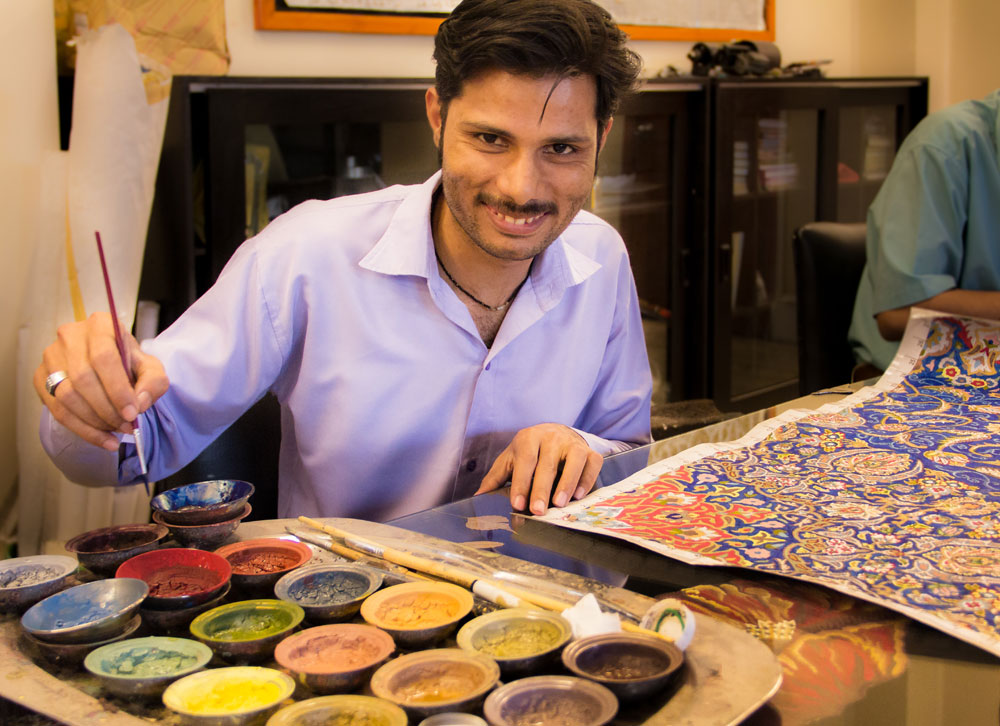
Anwar Ali lives in Lahore. He has been working as a designer since 1990. At age 13 while still in school, Anwar began as an apprentice to his uncle Ayub, a top designer in Pakistan who now works in the design department at Bunyaad.
At Bunyaad, I was given
the room to become the artist
that I was created to be.
At age 40, Anwar has over 27 years of designing experience, the last 15 of those years with Bunyaad. “I’ve worked with many top designers but at Bunyaad is where I became a designer. At Bunyaad, I was given the room to become the artist that I was created to be. Where I used to work, I was just asked to make designs that sold and mass produced well. At Bunyaad, I’m always working on a new design that reflects my culture and my dreams.”
Anwar is married and has three children, two boys and one girl. All of the children attend a private school which is important to note. When asked why he had them in private school (with fees) rather than in public school (basically free), Anwar said “With the consistency of my job here at Bunyaad, my wife and I can plan. Consistency means everything, so if we want them to have a private education, I know the salary I receive each month and we can plan for this type of education for them”.
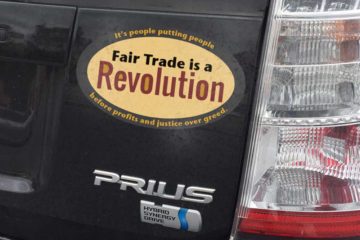
Fair Trade Empowers Artisans
Fair Trade moves families towards independence and sustainability. Both men and women are empowered to financially contribute to the success of their family while sending their children to school.
 We enjoyed a great time in Pakistan. Everywhere we went we met friendly, helpful and incredibly hospitable people. It seemed like everyone wanted to shake our hands and give us a hug. On Sunday afternoon, while touring the old Lahore Fort, a number of people wanted their pictures taken with us. Contrary to what we hear and read in the media about Pakistan, it’s a great place to travel – safe, friendly, hospitable and very scenic.
I loved reading this post about different artisans that are given the opportunity to create and grow. Thanks for sharing!